

Many people take prescription drugs every day. Many of them also drink alcohol. What most do not know is that mixing the two can be very harmful. Mixing prescription drugs with alcohol can change how medicine works in the body. It can also lead to serious and sometimes life-threatening health problems.
At We Level Up Treatment Center California, we help people dealing with these issues every day. We know how dangerous these combinations can be. In this article, we will explain what happens when you mix alcohol with medication, which drugs carry the most risk, and how to protect yourself and others
Table of Contents
Why Mixing Prescription Drugs With Alcohol Is Risky
Prescription drugs are made to work in a specific way. Alcohol also changes how the brain and body work. When you mix the two, they can get in each other’s way. This can cause problems that are hard to predict.
Mixing prescription drugs alcohol risks include making a drug stronger or weaker than it should be. It can also create new harmful reactions in the body. Even one or two drinks can be enough to cause a bad reaction.
The liver breaks down both alcohol and most medications. When both are in the body at the same time, the liver gets overwhelmed. This causes both substances to build up in the blood. The effects can become much stronger than expected.

Medication Alcohol Interaction Dangers: What Can Go Wrong
The medication alcohol interaction dangers depend on the type of drug. Some reactions are mild. Others can be life-threatening. Here is what can happen.
Too Much Sedation
Some drugs slow the brain and body down. Alcohol does the same thing. When you take both, the slowing effect gets much stronger. A person may feel very drowsy. In serious cases, they may lose consciousness or stop breathing.
Medicine Stops Working
Alcohol can stop some drugs from doing their job. This is very dangerous for medicines that treat serious conditions like epilepsy, diabetes, or heart disease. You may think your medicine is working when it is not.
Organ Damage
Some drugs become toxic when mixed with alcohol. This can damage the liver, kidneys, or other organs. The damage can happen fast and without clear warning signs.
Blood Pressure Drops
Some drugs lower blood pressure. Alcohol can do this too. Together, they can make blood pressure drop too low. This can cause dizziness, fainting, or shock.
Nausea and Vomiting
Many drug and alcohol combinations cause bad nausea and vomiting. This can become dangerous if a person loses too much fluid or chokes while unconscious.
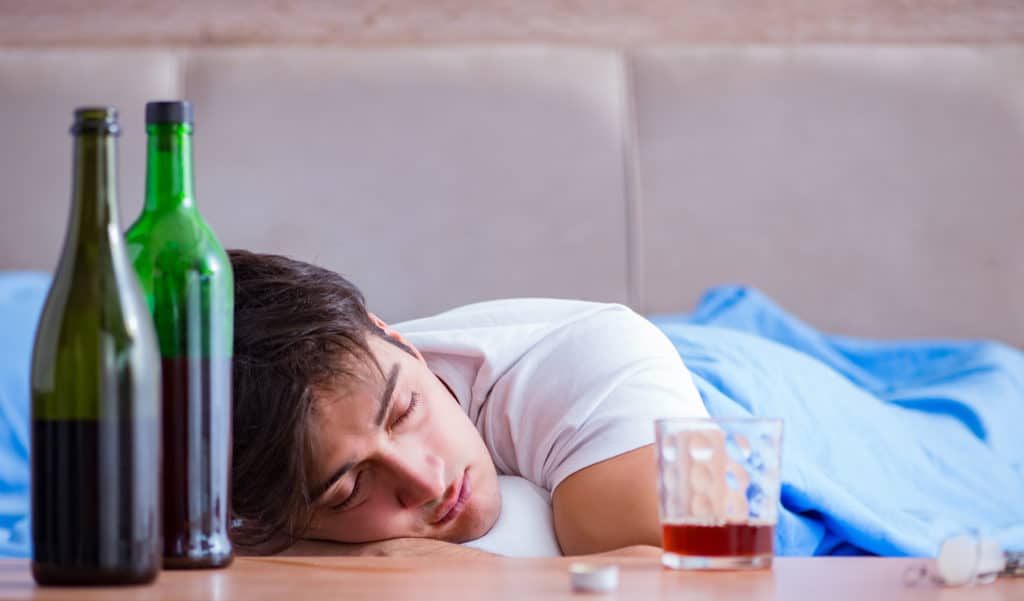
Prescription Meds Alcohol Side Effects by Drug Type
Different drugs carry different risks when mixed with alcohol. Here is a simple breakdown of prescription meds alcohol side effects by type.
Pain Medications (Opioids)
Opioids like oxycodone, hydrocodone, and codeine are very dangerous to mix with alcohol. Both slow down breathing. Mixing them raises the risk of overdose and death.
Anti-Anxiety Medications and Sleeping Pills
Drugs like Xanax, Valium, and Ativan are used for anxiety and sleep. They already cause drowsiness. Adding alcohol can cause extreme sedation, memory loss, and breathing problems.
Antidepressants
Mixing alcohol with antidepressants can make depression and anxiety worse. Some types, called MAOIs, can cause blood pressure to spike to a dangerous level when combined with alcohol.
Blood Thinners
Drugs like warfarin help prevent blood clots. Alcohol changes how the body uses warfarin. This can lead to too much bleeding or a higher risk of stroke.
Diabetes Medications
Alcohol can cause blood sugar to drop very low. With diabetes medication, this drop can be even more extreme. A person may become confused, pass out, or face life-threatening complications.
Antibiotics
Some antibiotics react badly with alcohol. Drugs like metronidazole can cause nausea, vomiting, flushing, and a fast heartbeat even with just a small amount of alcohol.
Heart Medications
Many heart drugs interact with alcohol. Some can cause an irregular heartbeat. Others may make blood pressure drop too low. This is very risky for people with heart disease.
Seizure Medications
Alcohol can make seizures more likely. It can also make seizure medications less effective. This is dangerous for people who depend on these drugs to stay safe.

Drug Alcohol Interaction Safety Warnings You Should Know
Here are some key drug alcohol interaction safety warnings that apply to most people on prescription drugs.
Read the Label
Most prescription drugs have a label with warnings about alcohol. Read it carefully. If you are not sure what it means, ask your pharmacist.
Be Honest With Your Doctor
Tell your doctor how much you drink. This helps them choose the safest medication for you. Many people feel shy about this. But it is one of the most important things you can share.
One Drink Is Not Always Safe
Many people think one drink will not cause harm. But even one drink can cause a bad reaction with some medications. Do not assume a small amount is always okay.
Timing Does Not Always Help
Some people think drinking at a different time from their medication is safe. But many drugs stay in the body for many hours. Alcohol can still react with medication taken earlier in the day.
Older Adults Face Higher Risks
Older adults break down both alcohol and medication more slowly. This means reactions can be stronger and last longer. Seniors should be extra careful about mixing the two.
Mixing Medications With Alcohol Risks: Who Is Most at Risk
Some groups face greater mixing medications with alcohol risks than others.
- Older adults — their bodies process substances more slowly
- People with liver disease — their liver cannot handle the extra strain
- People on multiple medications — more drugs means more chances for interactions
- People with mental health conditions — alcohol can make symptoms worse and interfere with treatment
- People with a history of substance use — mixing can trigger relapse or make dependency worse
If you fall into one of these groups, talk to your doctor before drinking any alcohol while on prescription drugs.
What to Do if You Think You Are Having a Reaction
Act fast if you think someone is having a drug and alcohol reaction. Signs include extreme drowsiness, trouble breathing, confusion, irregular heartbeat, or passing out.
Call 911 right away. Do not wait to see if it gets better. A serious reaction can become deadly very quickly.
Frequently Asked Questions About Mixing Prescription Drugs With Alcohol
Why is mixing prescription drugs with alcohol so dangerous?
Alcohol changes how drugs are absorbed and processed. It can make drugs stronger or weaker. It can also create harmful new reactions. Together, they put extra strain on the liver, brain, and heart.
What are the most dangerous prescription meds to mix with alcohol?
Opioids, benzodiazepines, antidepressants, blood thinners, and diabetes medications are among the most dangerous. Each one carries risks that get much worse when alcohol is added.
Can one drink really cause a dangerous interaction?
Yes. Even one drink can trigger a serious reaction with certain medications. Always check with your doctor or pharmacist before drinking while on any prescription drug.
How do I know if my medication interacts with alcohol?
Read the label and information sheet that comes with your medication. You can also ask your doctor or pharmacist. Be honest about how much you drink so they can give you the right advice.
Does timing matter when mixing medications and alcohol?
Sometimes, but not always. Many drugs stay in the body for a long time. Drinking at a different time does not always prevent a reaction. When in doubt, avoid alcohol while on medication.
What should I do if I think I am having a drug and alcohol interaction?
Call 911 right away if someone shows signs of a serious reaction. These include trouble breathing, extreme confusion, or loss of consciousness. Do not wait to see if things improve.
Take the First Step Toward Help
Mixing prescription drugs with alcohol is more dangerous than most people think. Even a small amount of alcohol can cause a serious reaction depending on the medication you take. If drinking has become hard to control or is starting to affect your health and daily life, you do not have to figure it out on your own.
At We Level Up Treatment Center California, we offer 24/7 medical care, personalized treatment plans, and a compassionate team that is ready to help you every step of the way. Call us today at (951) 461-5134. Help is available right now.
Sources
[1] National Institute on Drug Abuse (NIDA) (www.drugabuse.gov/)
[2] We Level Up Treatment Center – ‘Prescription Drug Abuse’