

Cocaine and alcohol are often used together, but this combination can be very dangerous. Many people believe using both will balance each other out, but that is not true. Instead, mixing these substances can create serious health risks. The body reacts in unpredictable ways, and the effects can become life-threatening.
Over time, this pattern can lead to addiction, mental health problems, and long-term damage. Understanding the risks is the first step toward safety. If you or someone you care about is struggling with cocaine and alcohol, support is available at We Level Up CA.
Table of Contents
What Happens When You Mix Cocaine and Alcohol?
When someone drinks booze and uses cocaine at the same time, their body makes something new called cocaethylene. This drug is made in the liver and stays in the body longer than cocaine alone.
Because of this, cocaine alcohol interaction risks are extremely high. Cocaethylene can damage the heart and liver more than poisons. In addition, it can make people feel happier, which makes them more likely to keep using both drugs.
Many people don’t know that this mix changes how each drug works in the body. They don’t balance each other out; instead, they make each other stronger and more dangerous.
Why People Mix Cocaine and Alcohol
People mix these drugs a lot when they’re with other people. Cocaine makes you more alert and energetic, while alcohol may make you less shy. Some people believe that drinking booze can help lessen the effects of cocaine.
Some people think that cocaine makes them feel less drunk. Some of these ideas are dangerous and can lead you astray. The truth is that mixing drugs raises the risk. It can make people make bad choices, act in dangerous ways, and cause long-term harm.

Mixing Cocaine and Alcohol Dangers
The dangers of mixing these substances affect both the body and the mind.
Short-Term Effects
- Increased heart rate and blood pressure
- Poor judgment and risky behavior
- Nausea and dehydration
- Anxiety or panic
Long-Term Effects
- Heart damage
- Liver problems
- Increased risk of addiction
- Mental health issues
These mixing cocaine and alcohol dangers can grow worse with repeated use.
Cocaethylene Effects Risks
Cocaethylene is one of the most dangerous things that happens when you mix booze and cocaine. It puts more stress on the heart and increases the likelihood of rapid-onset health problems.
Signs and Symptoms of Dangerous Interaction
The body can show warning signs when this combination becomes harmful.
Common Symptoms
- Chest pain
- Rapid or irregular heartbeat
- Severe anxiety
- Confusion
- Trouble breathing
These stimulant alcohol interaction symptoms should never be ignored. They may signal a medical emergency. Heart attacks, strokes, and liver damage are some of the cocaethylene effects risks.
This also means that the bad effects last longer because they stay in the body longer. In this case, the chance of overdosing goes up. A strong reaction can happen with even small amounts of both drugs.
Cocaine Alcohol Overdose Risk
When both drugs are used at once, the cocaine alcohol overdose risk is increased. People who are high on cocaine may not feel as drunk as they really are because it hides the effects of alcohol.
People may drink more booze than their bodies can handle. At the same time, cocaine keeps the body alert, which puts more stress on the heart. This mix makes it more likely that someone will overdose, their organs will fail, or they will die.
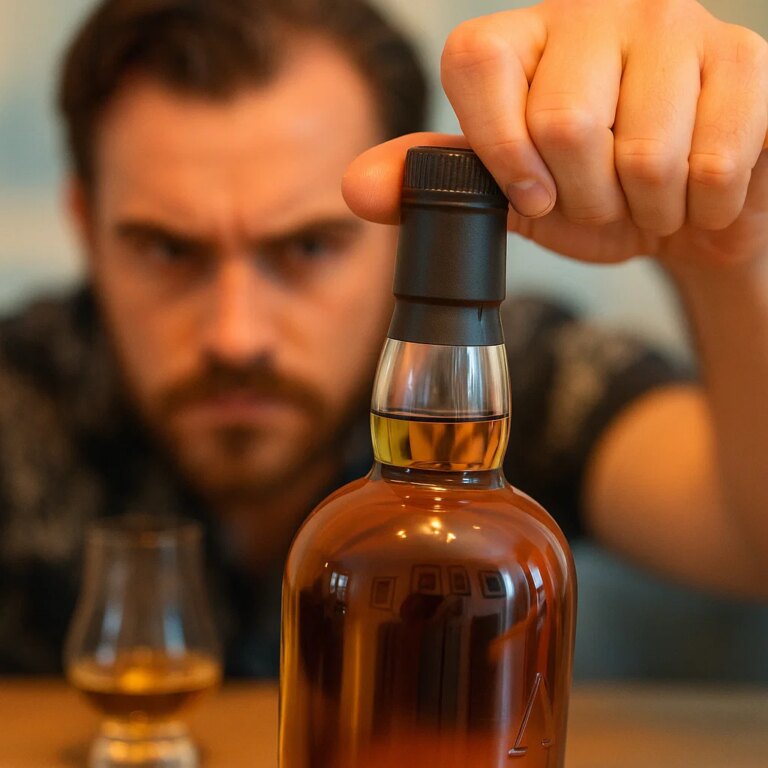
How Addiction Develops
Combining cocaine and alcohol can lead to a strong pattern of dependence. The brain begins to associate the combination with reward.
Over time, the body builds tolerance. This means more of each substance is needed to feel the same effect. This pattern can quickly lead to addiction. It affects thinking, behavior, and emotional health.
The Impact on Mental Health
It’s not just the body that changes when you use cocaine and alcohol together. A lot of damage is done to mental health as well. At first, many people experience brief bursts of energy or assurance. I feel this way for a short time, though. When the benefits wear off, people might feel worried, sad, or angry.
Over time, this cycle can make mental health worse. It may increase symptoms of anxiety, depression, or mood swings. Some people may also feel paranoia or confusion. These stimulant alcohol interaction symptoms can make daily life harder to manage.
When mental health declines, people may continue using substances to cope. This creates a harmful cycle that is difficult to break without help. That is why treatment should address both addiction and mental health.
Treatment Options
Recovery is possible with the right support. Treatment focuses on both physical and emotional healing.
Main Treatment Approaches
- Medical detox to manage withdrawal
- Inpatient treatment for structured care
- Outpatient programs for ongoing support
- Behavioral therapy to change patterns
- Dual diagnosis treatment for mental health
Programs at We Level Up CA provide comprehensive care. Treatment plans are personalized to each individual.

Why Choose We Level Up CA
Choosing the right treatment center is an important step. We Level Up CA provides care for individuals struggling with cocaine and alcohol use and addiction. We treat alcohol use disorders. The program focuses on safety and long-term recovery. Medical staff monitors detox and withdrawal symptoms.
Patients receive therapy and support to address the root causes of addiction. Dual diagnosis care is also available for those with mental health conditions. The goal is to help each person regain control and build a stable future.
Why Early Treatment Matters
Early treatment can make a big difference in recovery. The longer someone uses cocaine and alcohol, the higher the risk of long-term damage. The body and brain can become more dependent on each other over time.
Getting help early can reduce health risks and improve recovery outcomes. It can also prevent serious complications like overdose or organ damage. Support from medical and therapy teams helps people feel safe during the process.
Treatment programs focus on building healthy habits and coping skills. This helps people manage stress without substances. With the right care, recovery becomes more stable and long-lasting.
Life After Recovery
Recovery takes time and effort. Many people feel better as they move forward. Energy levels improve, and thinking becomes clearer. Relationships can begin to heal. Learning new coping skills helps prevent relapse. Support systems play an important role in maintaining progress. With the right care, long-term recovery is possible.
When Should You Seek Help?
It is important to seek help early. Waiting can increase risks.
You may need support if:
- You use both substances regularly.
- You feel unable to stop.
- Your health is affected.
- Your daily life feels unstable.
Seeking help is a strong and positive decision.
Frequently Asked Questions (FAQs)
What is cocaine and alcohol use?
It is the use of both substances at the same time that increases health risks.
What are the risks of mixing cocaine and alcohol?
They include heart problems, liver damage, and increased overdose risk.
What are the dangers of mixing cocaine and alcohol?
They include poor judgment, addiction, and serious health issues.
What are the risks of cocaethylene?
They include heart attack, stroke, and long-lasting toxic effects.
What are the stimulant alcohol interaction symptoms?
They include chest pain, anxiety, and irregular heartbeat.
How does We Level Up CA offer help for alcohol consumption?
We Level Up CA provides detox, therapy, and personalized treatment plans for recovery.
Take the First Step Toward Recovery
Struggling with cocaine and alcohol use can feel overwhelming and isolating. What may start as occasional use can quickly turn into a dangerous cycle that affects your health, relationships, and future. The risks of mixing these substances are serious, and it can be hard to stop without support.
At We Level Up CA, compassionate professionals understand these challenges and provide safe detox, therapy, and structured care designed for lasting recovery. You do not have to face this alone. Call (855) 695-1160 today and take your first step toward a healthier, more stable life.
