

Puffy hand syndrome is a condition that many people have never heard of. But for people who use intravenous drugs, it is a serious and common complication. It causes the hands to swell in a way that does not go away on its own. The swelling can become permanent if left untreated. At We Level Up Treatment Center California, we help people dealing with the health consequences of drug use every day. We provide 24/7 care and personalized treatment for those ready to take the next step. This article will explain what puffy hand syndrome is, what causes it, what the symptoms look like, and how to get help.
What Is Puffy Hand Syndrome?
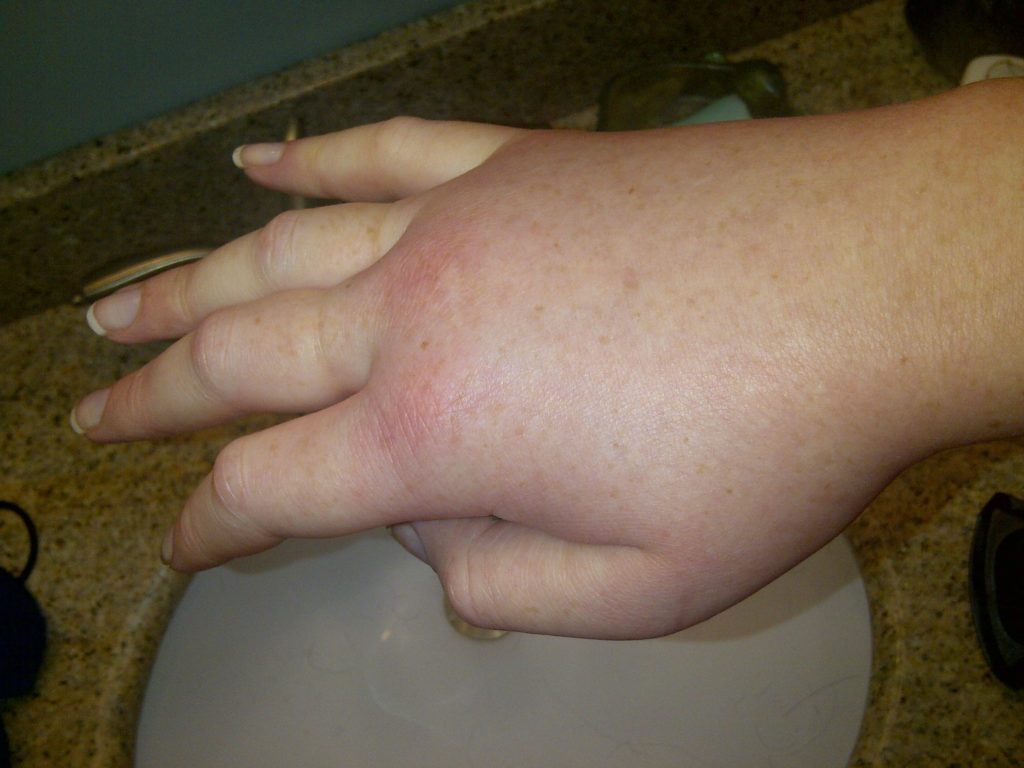
Puffy hand syndrome is a condition where the hands become swollen and puffy due to damage caused by repeated intravenous drug use. The swelling happens because the lymphatic system in the hands becomes damaged over time.
The lymphatic system is a network of vessels that helps drain fluid from body tissues. When these vessels are damaged by repeated needle injections, they can no longer drain fluid properly. Fluid builds up in the hands and causes them to swell. Over time this swelling can become permanent.
Puffy hand syndrome is not widely known outside of medical and addiction treatment communities. But it is more common than most people think among people who inject drugs. It is a visible and lasting sign of the damage that intravenous drug use causes to the body.
Who Gets Puffy Hand Syndrome?
Puffy hand syndrome affects people who inject drugs directly into the veins or under the skin of the hands. It is most common in people who have been injecting drugs for a long time. The longer a person uses intravenous drugs and the more frequently they inject into the hands, the higher their risk of developing this condition.
Table of Contents
Puffy Hand Syndrome Symptoms Causes: What to Look For
The puffy hand syndrome symptoms causes are closely linked. Understanding both helps explain why this condition develops and how to recognize it.
Symptoms of Puffy Hand Syndrome
The main symptom is swelling of the hands. But the condition involves more than just puffiness. Here is what people with puffy hand syndrome may experience.
- Persistent and painless swelling of the hands and fingers
- Skin that looks tight and stretched over the hands
- Hands that feel heavy or full
- Reduced ability to make a fist or grip objects
- Skin changes over time including thickening or hardening
- Asymmetrical swelling where one hand may be more affected than the other
- Swelling that does not go down with rest or elevation
Is Puffy Hand Syndrome Painful?
In many cases the swelling is painless. This is what makes it different from other types of hand swelling caused by injury or infection. The lack of pain can lead people to ignore it for a long time. But even without pain the condition can cause lasting damage to the function of the hands.
In some cases pain does develop. This can happen when there is an infection or when the swelling puts pressure on nerves and tendons in the hand.
Causes of Puffy Hand Syndrome
The main cause is repeated needle injections into the hands and wrists. Here is how the damage happens step by step.
- Repeated injections damage the small blood vessels and lymphatic vessels in the hands
- Damaged lymphatic vessels can no longer drain fluid effectively
- Fluid builds up in the tissues of the hands
- The body responds with inflammation which adds to the swelling
- Over time scar tissue forms and the swelling becomes harder to reverse
People who inject drugs often move to the hands when veins in the arms become too damaged to use. This is because the hands have many small veins that are accessible. But injecting into the hands causes faster and more severe lymphatic damage than injecting into larger veins in the arms.
IV Drug Use Puffy Hand Syndrome: The Connection to Injection Drug Use
The link between IV drug use puffy hand syndrome is well established in medical research. People who inject drugs are at high risk for this condition for several reasons.
Repeated Trauma to the Veins
Every injection causes small amounts of trauma to the vein and surrounding tissue. Over time this repeated trauma adds up. The veins become scarred and collapse. The lymphatic vessels nearby also get damaged. This is the primary driver of puffy hand syndrome.
Use of Toxic Substances
Many drugs that are injected contain additives and cutting agents that are toxic to the veins and surrounding tissue. These substances cause additional damage and inflammation beyond what the needle itself causes. This speeds up the development of lymphatic damage and swelling.
Injecting Into Small Veins
The veins in the hands are small and fragile. They are much more easily damaged than the larger veins in the arms. When people shift to injecting in the hands, the damage happens faster and is more severe.
Lack of Medical Care
Many people who use intravenous drugs do not seek medical care for complications. They may not have access to healthcare. They may fear judgment or legal consequences. This means that early signs of puffy hand syndrome often go untreated until the condition has become severe.
Infection and Inflammation
Injecting drugs increases the risk of infection. Infections in the hand cause additional swelling and inflammation. Repeated infections further damage the lymphatic system and speed up the progression of puffy hand syndrome.
Puffy Hand Syndrome Treatment: What Can Be Done
Puffy hand syndrome treatment depends on how severe the condition is and how long it has been present. The sooner treatment begins, the better the outcome.
Stopping Drug Use
The most important step is stopping intravenous drug use. Continued injections will make the condition worse. Without addressing the root cause, no other treatment will be fully effective. Getting professional help for addiction is the first and most critical step.
Compression Therapy
Compression gloves or bandages can help reduce swelling in the hands. They work by putting gentle pressure on the tissue and helping fluid move out of the affected area. Compression therapy works best in the early stages of the condition before the swelling becomes permanent.
Elevation
Keeping the hands elevated above the level of the heart can help reduce fluid buildup. This is a simple step that can be done at home to manage mild swelling.
Manual Lymphatic Drainage
This is a type of gentle massage that helps move fluid through the lymphatic system. It is performed by a trained therapist. Manual lymphatic drainage can reduce swelling and improve the function of the hands. It is often used alongside compression therapy.
Treatment of Infections
Any infections at injection sites must be treated right away. This usually involves antibiotics. In some cases surgical drainage of abscesses is needed. Treating infections quickly prevents further damage to the lymphatic system.
Medical Evaluation and Monitoring
A doctor should evaluate anyone with signs of puffy hand syndrome. Blood tests and imaging may be used to assess the extent of the damage. Ongoing monitoring helps catch complications early and adjust treatment as needed.
Wound Care
People with injection related skin damage need proper wound care. This includes cleaning and dressing wounds to prevent infection and promote healing.
Addiction Treatment
Treating puffy hand syndrome without treating the addiction that caused it will not lead to lasting improvement. Comprehensive addiction treatment that addresses both the physical and psychological aspects of drug use is essential for real recovery.
Frequently Asked Questions About Puffy Hand Syndrome
What is puffy hand syndrome?
Puffy hand syndrome is a condition where the hands become permanently swollen due to damage to the lymphatic system caused by repeated intravenous drug injections. The swelling occurs because damaged lymphatic vessels can no longer drain fluid from the tissues properly.
What causes puffy hand syndrome?
The main cause is repeated needle injections into the veins of the hands. This damages the lymphatic vessels over time. Toxic substances in injected drugs, repeated infections, and inflammation all make the damage worse and speed up the development of the condition.
Is puffy hand syndrome painful?
In many cases the swelling is painless. But pain can develop if infections occur or if the swelling puts pressure on nerves and tendons. The lack of pain often leads people to ignore the condition until it becomes severe.
Can puffy hand syndrome be reversed?
In early stages compression therapy, lymphatic drainage massage, and stopping drug use can reduce the swelling. In advanced cases where scar tissue has formed the changes may be permanent. Early treatment gives the best chance of improvement.
What other complications can IV drug use cause in the hands?
Other complications include abscesses, cellulitis, track marks, collapsed veins, deep vein thrombosis, and blood borne infections like HIV and hepatitis C. All of these can cause serious and lasting harm to the hands and overall health.
How is puffy hand syndrome treated?
Treatment includes stopping drug use, compression therapy, elevation, manual lymphatic drainage, treatment of infections, and medical monitoring. Addressing the underlying addiction through professional treatment is the most important step toward lasting recovery and improved health.
Take the First Step Toward Help
Puffy hand syndrome is a visible sign of the damage that drug use does to the body. But it is not too late to get help and start healing. The sooner you reach out the better your chances of recovery and improved health. If you or someone you love is struggling with intravenous drug use, support is available right now. At We Level Up Treatment Center California, we offer 24/7 medical care, personalized treatment plans, and a compassionate team ready to help you take the first step. Call us today at (951) 461-5134. Help is available right now.
Sources
[1] Ciccarone, Daniel et al. “Fire in the vein: Heroin acidity and its proximal effect on users’ health.” International Journal on Drug Policy.
[2] Kiefer, MV et al. “Dextrose 10% in the treatment of out-of-hospital hypoglycemia.” Prehospital Disaster Medication.
[3] National Highway Traffic Safety Administration. “National EMS Scope of Practice Model.”
[4] Pieper, Barbara et al. “Impact of injection drug use on distribution and severity of chronic venous disorders.” Wound Repair and Regeneration.
[5] Pieper, Barbara et al. “Injection-Related Venous Disease and Walking Mobility.” Journal of Addictive Diseases.