

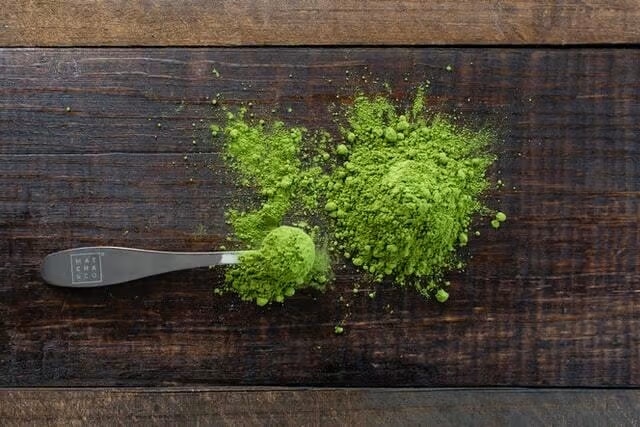
Kratom is a plant that comes from Southeast Asia. Many people use it to manage pain, boost energy, or ease anxiety. Some use it to cope with opioid withdrawal. But kratom can be addictive. Regular use can lead to dependence, and stopping can cause withdrawal symptoms that are hard to manage alone. At We Level Up Treatment Center California, we help people struggling with kratom addiction every day. We offer 24/7 care and personalized treatment plans to support recovery. This article will explain what kratom addiction looks like, how withdrawal feels, and what treatment options are available to help you heal.
Table of Contents

Get Your Life Back
Find Hope & Recovery. Get Safe Comfortable Detox, Addiction Rehab & Dual Diagnosis High-Quality Care.
Hotline (855) 695-1160What Is Kratom and Why Is It Addictive?
Kratom comes from the leaves of the Mitragyna speciosa tree. It can be taken as a tea, powder, capsule, or extract. At low doses it acts like a stimulant. At higher doses it acts more like an opioid, producing feelings of pain relief and calm. Kratom affects the same receptors in the brain that opioids do. This is why it can be habit forming. The brain adjusts to regular kratom use over time. When a person tries to stop, the brain struggles to function normally without it. This is what causes addiction and withdrawal.
Is Kratom Legal?
Kratom is legal in many parts of the United States but is banned in some states and counties. It is not approved by the FDA for any medical use. The FDA has issued warnings about the risks of kratom use including the potential for abuse and addiction.
Kratom Addiction Symptoms Treatment: Recognizing the Problem
Knowing the signs of kratom addiction is the first step toward getting help. Kratom addiction symptoms treatment starts with understanding what dependence looks like.
Behavioral Signs of Kratom Addiction
- Using kratom every day or multiple times a day
- Feeling unable to get through the day without it
- Spending a lot of time getting, using, or recovering from kratom
- Trying to cut back but not being able to
- Continuing to use even when it causes health or relationship problems
- Hiding kratom use from family or friends
- Losing interest in hobbies or activities that used to matter
Physical Signs of Kratom Addiction
- Needing more kratom to get the same effect
- Feeling sick or unwell when not using
- Changes in appetite and weight
- Trouble sleeping without kratom
- Fatigue and low energy when not using
Psychological Signs of Kratom Addiction
- Strong cravings for kratom throughout the day
- Feeling anxious or irritable when kratom is not available
- Using kratom to cope with stress, sadness, or anxiety
- Feeling like you cannot function normally without it
Kratom Withdrawal Detox Symptoms: What to Expect When You Stop
Kratom withdrawal detox symptoms can be uncomfortable and hard to manage without help. They are similar in some ways to opioid withdrawal because kratom affects the same brain receptors.
When Do Withdrawal Symptoms Start
Symptoms usually begin within 12 to 24 hours after the last use. How severe they are depends on how long a person has been using and how much they were taking each day.
Physical Withdrawal Symptoms
- Muscle aches and joint pain
- Nausea and vomiting
- Sweating and chills
- Runny nose and watery eyes
- Stomach cramps and diarrhea
- Fatigue and low energy
- Headaches
- Insomnia and restless sleep
- Tremors or shaking
Psychological Withdrawal Symptoms
- Anxiety and panic
- Depression and low mood
- Irritability and mood swings
- Strong cravings for kratom
- Difficulty concentrating
- Feeling hopeless or empty
How Long Does Kratom Withdrawal Last
Most physical symptoms peak within the first few days and begin to improve after one week. Psychological symptoms like depression, anxiety, and cravings can last longer. Some people experience mood issues and cravings for several weeks after stopping. This is why professional support during kratom detox is so important.
Kratom Abuse Risks Effects: What Long Term Use Does to the Body and Mind
Kratom abuse risks effects go beyond just addiction. Regular and heavy use can damage physical and mental health in serious ways.
Physical Health Risks
- Liver damage — some cases of liver injury have been reported in people who used kratom regularly
- Heart problems including rapid heart rate and high blood pressure
- Weight loss and nutritional deficiencies from poor appetite
- Constipation and digestive problems
- Increased risk of seizures especially at high doses
- Weakened immune system over time
Mental Health Risks
- Worsening anxiety and depression with regular use
- Psychosis in some cases with very heavy use
- Memory and concentration problems
- Emotional numbness or feeling disconnected
- Increased risk of developing dependence on other substances
Social and Life Consequences
- Strained relationships with family and friends
- Problems at work or school due to impaired function
- Financial strain from the cost of regular kratom use
- Legal issues in states where kratom is banned
- Social isolation as use takes priority over relationships
Kratom and Overdose Risk
While kratom overdose is less common than with traditional opioids, it can happen. The risk increases when kratom is mixed with other substances like alcohol, opioids, or benzodiazepines. Signs of a kratom overdose include extreme drowsiness, nausea, rapid heart rate, high blood pressure, and in severe cases seizures or loss of consciousness. Call 911 right away if you think someone has overdosed.
Kratom Addiction Rehab Programs: What Treatment Looks Like
Getting professional help gives people the best chance of lasting recovery. Kratom addiction rehab programs offer different levels of care to match different needs.
Medical Detox
Medical detox is the safest way to stop using kratom. A team of doctors and nurses monitors you around the clock. They manage withdrawal symptoms and keep you as comfortable as possible during the hardest days. This is the recommended first step for anyone with moderate to severe kratom dependence.
Inpatient Rehab
Inpatient programs offer a structured and supportive environment. You live at the facility during treatment. This removes you from triggers and gives you access to medical care, therapy, and peer support at all times. Inpatient rehab is a good fit for people with heavy use or those who have tried to stop on their own without success.
Outpatient Rehab
Outpatient programs let you live at home while attending treatment sessions during the day or evening. This works well for people with mild to moderate dependence who have a stable home environment and strong support network.
Intensive Outpatient Programs
Intensive outpatient programs offer more structured care than standard outpatient. You attend treatment for several hours each day, multiple days a week. This is a good middle ground for people who need more support but cannot commit to inpatient care.
Therapy and Counseling
Therapy is a key part of kratom addiction treatment. Cognitive behavioral therapy, or CBT, helps people identify the patterns and triggers behind their kratom use. It teaches healthier ways to cope with stress, pain, and difficult emotions. Group therapy provides community and accountability. Many people find that hearing from others who have been through similar struggles helps them stay motivated.
Medication Assisted Treatment
There are no medications specifically approved for kratom addiction. However, doctors may use certain medications to manage withdrawal symptoms. These include medications for anxiety, sleep problems, nausea, and muscle pain. In some cases buprenorphine has been used off label to help manage kratom withdrawal, especially in people with heavy dependence.
Kratom Detox Treatment: Tips for Getting Through Withdrawal
If you are going through kratom detox treatment, here are some steps that can help make the process more manageable.
Stay Hydrated
Withdrawal causes sweating, vomiting, and diarrhea. These all lead to fluid loss. Drink plenty of water and electrolyte drinks to stay hydrated. This helps reduce fatigue and muscle cramps.
Eat Small and Simple Meals
Nausea during withdrawal can make eating hard. Stick to small meals that are easy on the stomach. Foods like bananas, toast, rice, and soup are good options. Eating regularly helps stabilize energy and mood.
Rest as Much as Possible
Fatigue is a big part of kratom withdrawal. Allow your body to rest when it needs to. Sleep may be difficult at first but will improve as withdrawal progresses.
Reach Out for Support
Do not go through kratom detox alone. Talk to a doctor, counselor, or trusted person in your life. Having support around you during withdrawal makes a real difference in staying the course.
Consider Professional Detox
Home detox from kratom is possible in mild cases but is not recommended for everyone. Professional detox provides medical monitoring and symptom management that makes withdrawal safer and more comfortable.
Frequently Asked Questions About Kratom Addiction
Is kratom really addictive?
Yes. Kratom affects the same brain receptors as opioids. Regular use leads to dependence. When a person tries to stop, they experience withdrawal symptoms similar to opioid withdrawal. This makes it very hard to quit without help.
What are the most common kratom addiction symptoms?
Common symptoms include daily use, strong cravings, inability to cut back, feeling sick when not using, hiding use from others, and continuing to use despite negative effects on health and relationships.
How long does kratom withdrawal last?
Physical symptoms usually peak in the first few days and improve within one week. Psychological symptoms like anxiety, depression, and cravings can last several weeks. The timeline varies depending on how long and how much a person was using.
What are the health risks of long term kratom use?
Long term use can cause liver damage, heart problems, weight loss, digestive issues, seizures, anxiety, depression, and in severe cases psychosis. Mixing kratom with other substances raises the risk of overdose.
What treatment options are available for kratom addiction?
Treatment options include medical detox, inpatient rehab, outpatient programs, intensive outpatient programs, therapy, and in some cases medication assisted treatment to manage withdrawal symptoms.
Can I detox from kratom at home?
It is possible in mild cases but is not recommended without medical guidance. Withdrawal symptoms can be severe and hard to manage alone. Professional detox provides a safer and more comfortable experience with a higher chance of long term success.
Take the First Step Toward Help
Kratom addiction is real and it can take over your life before you even realize what is happening. But recovery is possible with the right help and the right support system. You do not have to go through this alone. Whether you are just starting to think about quitting or are ready to take action today, help is available right now. At We Level Up Treatment Center California, we offer 24/7 medical care, personalized detox and rehab programs, and a compassionate team ready to walk with you every step of the way. Call us today at (951) 461-5134. Help is available right now.
Get Help. Get Better. Get Your Life Back.
Searching for an Accredited Drug and Alcohol Rehab Centers in Near You?
Even if you have failed previously and relapsed, or are in the middle of a difficult crisis, we stand ready to support you. Our trusted behavioral health specialists will not give up on you. When you feel ready or just want someone to speak to about therapy alternatives to change your life call us. Even if we cannot assist you, we will lead you to wherever you can get support. There is no obligation. Call our hotline today.
FREE Addiction Hotline – Call 24/7Comfortable Facilities & Amenities
High-Quality Addiction & Mental Health Rehabilitation Treatment
Rehab Centers TourRenowned California Addiction Center. Serene Private Facilities. Inpatient rehab programs vary.
Addiction Helpline (855) 695-1160Proven recovery success experience, backed by a Team w/ History of:
15+
Years of Unified Experience
100s
5-Star Reviews Across Our Centers
10K
Recovery Success Stories Across Our Network
- Low Patient to Therapist Ratio
- Onsite Medical Detox Center
- Comprehensive Dual-Diagnosis Treatment
- Complimentary Family & Alumni Programs
- Coaching, Recovery & Personal Development Events
World-class, Accredited, 5-Star Reviewed, Effective Addiction & Mental Health Programs. Complete Behavioral Health Inpatient Rehab, Detox plus Co-occuring Disorders Therapy.
CALL (855) 695-1160End the Addiction Pain. End the Emotional Rollercoaster. Get Your Life Back. Start Drug, Alcohol & Dual Diagnosis Mental Health Treatment Now. Get Free No-obligation Guidance by Substance Abuse Specialists Who Understand Addiction & Mental Health Recovery & Know How to Help.
Therapist Advice About Healthy Relationships While In Addiction Recovery & Sobriety
Experience Transformative Recovery at the We Level Up California Treatment Center.
See our authentic success stories. Get inspired. Get the help you deserve.
Start a New Life
Begin with a free call to an addiction & behavioral health treatment advisor. Learn more about our dual-diagnosis programs. The We Level Up treatment center network delivers recovery programs that vary by each treatment facility. Call to learn more.
- Personalized Care
- Caring Accountable Staff
- World-class Amenities
- Licensed & Accredited
- Renowned w/ 100s 5-Star Reviews
We’ll Call You
Search We Level Up CA Kratom Addiction Drug & Alcohol Rehab / Detox & Mental Health Topics & Resources
