
Benadryl is one of the most common over the counter medicines in the world. Many people keep it in their medicine cabinet for allergies, colds, and sleep. Because it does not need a prescription many people think it is completely safe. But taking too much Benadryl can be very dangerous. A Benadryl overdose can cause serious health problems and in some cases can be life threatening. At We Level Up Treatment Center California, we help people dealing with medication misuse and its effects on the body every day. We offer 24/7 care and support for those who need help. This article will explain what a Benadryl overdose looks like, what causes it, and what to do if it happens.
What Is a Benadryl Overdose?
Benadryl is the brand name for diphenhydramine. It is an antihistamine. It blocks histamine in the body to reduce allergy symptoms. It also causes drowsiness which is why it is used in sleep aids.
A Benadryl overdose happens when a person takes more than the recommended dose. This can happen by accident. A person may forget they already took a dose and take another. Children may get into medicine that was not stored safely. In other cases an overdose is intentional. Some people take large amounts of Benadryl to get high or to harm themselves.
No matter the cause a Benadryl overdose is a medical emergency. It needs immediate attention.
How Much Benadryl Is Too Much?
The standard adult dose is 25 to 50 mg every four to six hours. The maximum recommended dose in 24 hours is 300 mg. Taking significantly more than this raises the risk of overdose. Children are at risk of overdose at much lower amounts than adults. Even doses that seem small can be dangerous for young children.
Table of Contents

Get Your Life Back
Find Hope & Recovery. Get Safe Comfortable Detox, Addiction Rehab & Dual Diagnosis High-Quality Care.
Hotline (855) 695-1160Benadryl Overdose Symptoms Diphenhydramine: What to Watch For
The benadryl overdose symptoms diphenhydramine causes can appear quickly. They affect the brain, heart, and body. Here is what to look for.
Mild to Moderate Symptoms
These may appear first and can quickly become worse.
- Extreme drowsiness or difficulty staying awake
- Dry mouth and very dry skin
- Flushed or red face
- Blurred vision
- Trouble urinating
- Confusion and disorientation
- Agitation and restlessness
- Fast heartbeat
- Dizziness and loss of balance
Severe Symptoms
These are signs of a serious overdose. Call 911 right away.
- Hallucinations seeing or hearing things that are not there
- Severe confusion and delirium
- Very fast or irregular heartbeat
- High body temperature
- Seizures
- Loss of consciousness
- Stopped breathing
- Coma
Symptoms in Children
Children are more sensitive to diphenhydramine than adults. Even a small extra dose can cause serious symptoms in a child. Signs of overdose in children include extreme agitation, hallucinations, seizures, and very fast heartbeat. Any suspected overdose in a child is an emergency. Call 911 or Poison Control right away.
Get Help. Get Better. Get Your Life Back.
Searching for an Accredited Drug and Alcohol Rehab Centers in Near You?
Even if you have failed previously and relapsed, or are in the middle of a difficult crisis, we stand ready to support you. Our trusted behavioral health specialists will not give up on you. When you feel ready or just want someone to speak to about therapy alternatives to change your life call us. Even if we cannot assist you, we will lead you to wherever you can get support. There is no obligation. Call our hotline today.
FREE Addiction Hotline – Call 24/7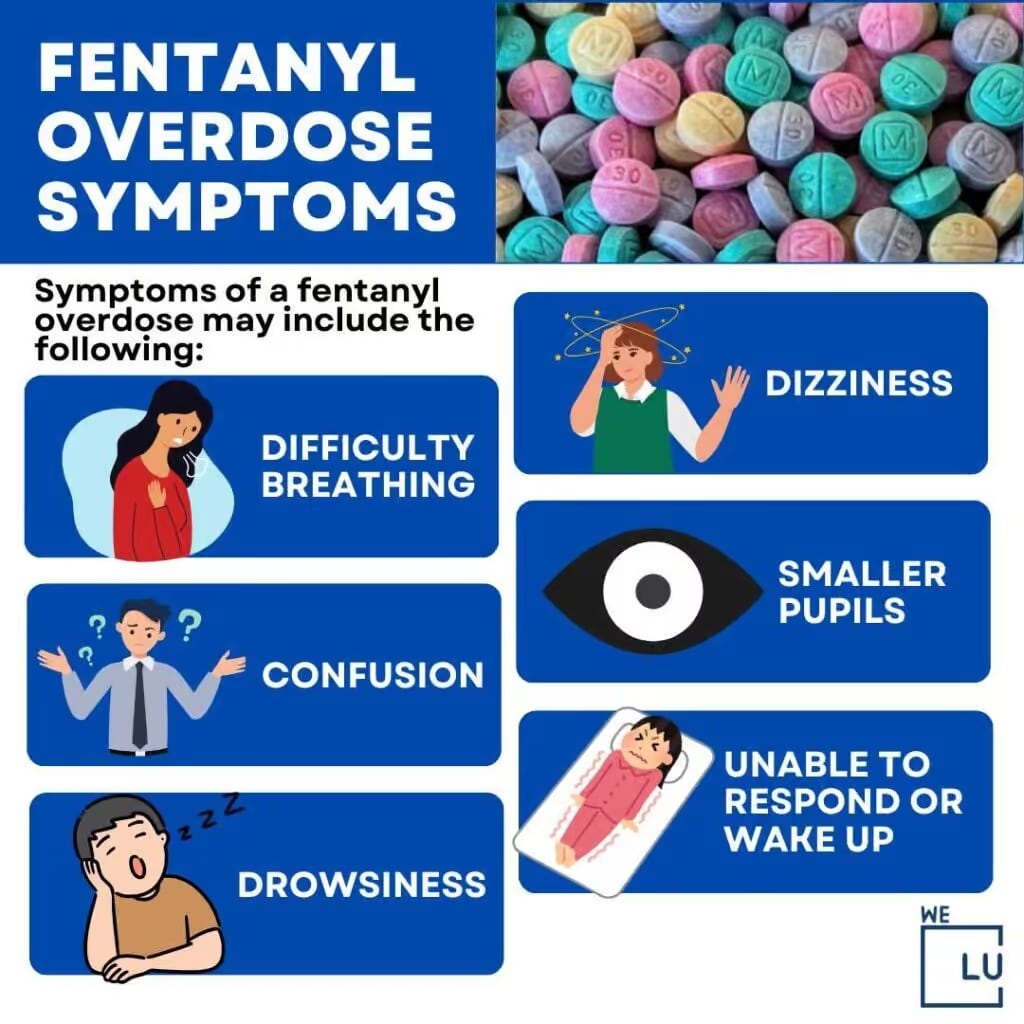
Antihistamine Overdose Signs Treatment: Recognizing the Emergency
Knowing the antihistamine overdose signs treatment steps can save a life. Acting fast is the most important thing you can do.
Signs That Someone Has Overdosed on an Antihistamine
- They are extremely confused and cannot answer simple questions
- They are seeing or hearing things that are not real
- Their skin is very dry, red, and hot to the touch
- Their heart is beating very fast
- They are having a seizure
- They cannot be woken up
- Their breathing is very slow or has stopped
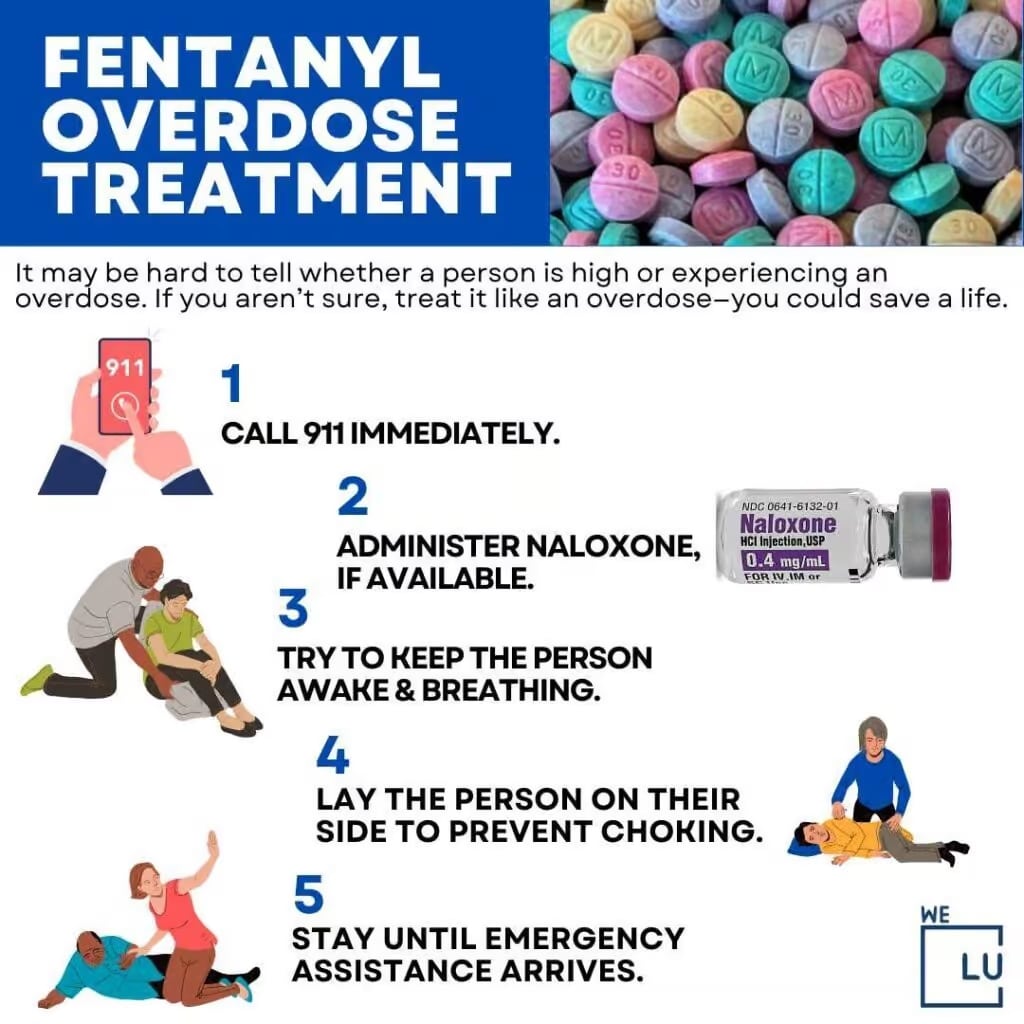
What to Do Right Away
- Call 911 immediately
- Do not leave the person alone
- Tell the emergency operator what was taken and how much if you know
- Do not try to make the person vomit unless told to by a medical professional
- If the person stops breathing and you know CPR begin it right away
- Call Poison Control at 1-800-222-1222 if you are unsure whether it is an overdose
What Happens in the Emergency Room
Doctors will act fast to stabilize the person. Treatment may include activated charcoal to stop more of the drug from being absorbed, medications to control heart rate and seizures, fluids through an IV, close monitoring of breathing and heart function, and cooling measures if body temperature is dangerously high.
There is no specific antidote for diphenhydramine overdose. Treatment focuses on managing symptoms and keeping the person stable until the drug clears their system.
Comfortable Facilities & Amenities
High-Quality Addiction & Mental Health Rehabilitation Treatment
Rehab Centers TourRenowned California Addiction Center. Serene Private Facilities. Inpatient rehab programs vary.
Addiction Helpline (855) 695-1160Proven recovery success experience, backed by a Team w/ History of:
15+
Years of Unified Experience
100s
5-Star Reviews Across Our Centers
10K
Recovery Success Stories Across Our Network
- Low Patient to Therapist Ratio
- Onsite Medical Detox Center
- Comprehensive Dual-Diagnosis Treatment
- Complimentary Family & Alumni Programs
- Coaching, Recovery & Personal Development Events
Diphenhydramine Toxicity Symptoms: Why It Is So Dangerous
The diphenhydramine toxicity symptoms are dangerous because they affect so many systems in the body at the same time.
Anticholinergic Toxidrome
Diphenhydramine belongs to a class of drugs called anticholinergics. When taken in large amounts it causes what doctors call anticholinergic toxidrome. This is a cluster of symptoms caused by blocking a key chemical messenger in the body called acetylcholine.
The symptoms of anticholinergic toxidrome are sometimes described with this phrase. Hot as a hare, dry as a bone, red as a beet, blind as a bat, and mad as a hatter. This means high body temperature, dry skin and mouth, flushed skin, blurred vision, and confusion or delirium.
Effect on the Heart
One of the most dangerous effects of diphenhydramine toxicity is on the heart. Large doses can cause the heart to beat too fast or in an irregular pattern. This is called arrhythmia. In severe cases it can lead to cardiac arrest. This is why heart monitoring is a key part of emergency treatment for a Benadryl overdose.
Effect on the Brain
High doses of diphenhydramine cause serious neurological effects. These include hallucinations, extreme agitation, delirium, and seizures. Some people become very confused and combative during a Benadryl overdose. These brain effects can be very frightening for both the person experiencing them and for those around them.
Effect on Body Temperature
Diphenhydramine blocks the ability to sweat. Sweating is how the body cools itself down. When a person cannot sweat their body temperature can rise to dangerous levels very quickly. Extremely high body temperature is called hyperthermia. It can cause organ damage and death if not treated quickly.
Effect on Breathing
In large amounts diphenhydramine can slow breathing. When combined with other sedative drugs or alcohol this effect becomes much more dangerous. Slowed or stopped breathing is one of the main causes of death in a severe Benadryl overdose.
World-class, Accredited, 5-Star Reviewed, Effective Addiction & Mental Health Programs. Complete Behavioral Health Inpatient Rehab, Detox plus Co-occuring Disorders Therapy.
CALL (855) 695-1160End the Addiction Pain. End the Emotional Rollercoaster. Get Your Life Back. Start Drug, Alcohol & Dual Diagnosis Mental Health Treatment Now. Get Free No-obligation Guidance by Substance Abuse Specialists Who Understand Addiction & Mental Health Recovery & Know How to Help.
Benadryl Overdose Dangers: Special Risks to Know
The benadryl overdose dangers are especially serious in certain situations and groups of people.
The Benadryl Challenge
In recent years social media has promoted a dangerous trend called the Benadryl Challenge. It encourages young people to take large amounts of Benadryl to cause hallucinations and film the reaction. This trend has caused serious harm and deaths. There is no safe way to take high doses of Benadryl for any reason. This trend is extremely dangerous and parents should talk to their children about the risks.
Intentional Overdose and Mental Health
Some people take large amounts of Benadryl intentionally to harm themselves. If you know or suspect someone has taken Benadryl on purpose call 911 right away. After the medical emergency is addressed it is important to connect the person with mental health support. If you or someone you love is having thoughts of self harm please reach out for help right away.
Mixing Benadryl With Other Substances
Mixing Benadryl with alcohol, opioids, benzodiazepines, or other sedatives raises the overdose risk greatly. All of these substances slow down the brain and nervous system. Together they can cause breathing to slow or stop. Even one drink combined with a high dose of Benadryl can be very dangerous.
Risk in Older Adults
Older adults are at higher risk of serious harm from a Benadryl overdose. Their bodies process the drug more slowly. They are also more sensitive to its effects on the brain and heart. Confusion and falls from Benadryl overdose are especially dangerous in seniors.
Risk in Children
Children can overdose on much smaller amounts than adults. A dose that causes mild symptoms in an adult can be life threatening for a small child. Benadryl and all medications should always be stored safely out of reach of children.
Antihistamine Poisoning: Long Term Effects of a Serious Overdose
Antihistamine poisoning from a severe Benadryl overdose can leave lasting effects in some cases.
Memory and Cognitive Problems
A serious overdose that causes prolonged confusion or seizures can affect memory and thinking. Some people experience cognitive changes that last weeks or months after a severe overdose.
Heart Damage
Severe and prolonged heart arrhythmias during an overdose can damage the heart muscle. This can affect heart function long after the overdose has been treated.
Trauma and Mental Health
Surviving a serious overdose can be a traumatic experience. Many people feel scared, ashamed, or confused after an overdose. Mental health support is an important part of recovery. Therapy and counseling can help people process what happened and address the reasons behind the overdose.
Risk of Future Overdose
People who have overdosed once are at higher risk of overdosing again. Getting the right support and treatment after an overdose is critical. This is true whether the overdose was accidental or intentional.
How to Prevent a Benadryl Overdose
There are simple steps you can take to reduce the risk of a Benadryl overdose.
Follow Dosage Instructions
Always take Benadryl exactly as directed on the label or by your doctor. Do not take more than the recommended dose even if you feel it is not working. Set a timer to remind yourself when your next dose is due so you do not accidentally take too much.
Store Medications Safely
Keep all medications including Benadryl in a safe place out of reach of children. Use child proof containers and store them in a locked cabinet if possible.
Do Not Mix With Alcohol or Other Drugs
Never take Benadryl with alcohol, opioids, benzodiazepines, or other sedative drugs. The combination raises the risk of overdose significantly.
Talk to Your Doctor
If you use Benadryl regularly talk to your doctor. There may be safer options for your condition. Long term use of Benadryl carries its own risks and is not recommended for most people.
Educate Teens About the Dangers
Talk to teenagers about the risks of the Benadryl Challenge and other social media drug trends. Make sure they understand that taking large amounts of any drug is dangerous and can be fatal.
Frequently Asked Questions About Benadryl Overdose
What are the first signs of a Benadryl overdose?
Early signs include extreme drowsiness, dry mouth, flushed skin, blurred vision, confusion, and fast heartbeat. These can quickly progress to hallucinations, seizures, and loss of consciousness if not treated.
How much Benadryl is considered an overdose?
The standard adult dose is 25 to 50 mg every four to six hours with a maximum of 300 mg in 24 hours. Taking significantly more than this raises the risk of overdose. Children can overdose at much lower amounts. Any suspected overdose should be treated as a medical emergency.
What should I do if I think someone has overdosed on Benadryl?
Call 911 right away. Do not leave the person alone. Tell the emergency operator what was taken and how much. Do not try to make the person vomit unless directed to by a medical professional. Call Poison Control at 1-800-222-1222 if you are unsure.
Can you die from a Benadryl overdose?
Yes. A severe Benadryl overdose can be fatal. It can cause cardiac arrest, seizures, dangerously high body temperature, and stopped breathing. This is why any suspected overdose requires immediate emergency medical care.
Is the Benadryl Challenge dangerous?
Yes. The Benadryl Challenge is extremely dangerous. Taking large amounts of Benadryl to cause hallucinations can lead to seizures, cardiac arrest, and death. It has caused serious harm and deaths among teenagers. There is no safe way to participate in this trend.
Can a Benadryl overdose cause long term damage?
Yes. A serious overdose can cause lasting effects on memory, thinking, and heart function. Mental health effects are also common especially if the overdose was intentional. Getting proper medical and mental health support after an overdose is very important.
Take the First Step Toward Help
A Benadryl overdose is a serious medical emergency that can happen to anyone. Whether it was an accident or intentional getting the right help fast can save a life. If you or someone you love is struggling with medication misuse or any other substance use concern you do not have to face it alone. At We Level Up Treatment Center California, we offer 24/7 medical care, personalized treatment plans, and a compassionate team ready to support your recovery. Call us today at (951) 461-5134. Help is available right now.
Experience Transformative Recovery at the We Level Up California Treatment Center.
See our authentic success stories. Get inspired. Get the help you deserve.
Start a New Life
Begin with a free call to an addiction & behavioral health treatment advisor. Learn more about our dual-diagnosis programs. The We Level Up treatment center network delivers recovery programs that vary by each treatment facility. Call to learn more.
- Personalized Care
- Caring Accountable Staff
- World-class Amenities
- Licensed & Accredited
- Renowned w/ 100s 5-Star Reviews
We’ll Call You
“This Was Not How I Wanted To Live”, Ryan’s Recovery From Fentanyl, Heroin, & Oxycontin Addiction
Search How Does Fentanyl Make You Feel? Drug & Alcohol Rehab / Detox & Mental Health Topics & Resources
Sources
- Fentanyl DrugFacts – National Institute on Drug Abuse tags: what does fentanyl feel like, high on fentanyl, how long does fentanyl high last, what does fentanyl make you feel like, does fentanyl get you high, what is a fentanyl high like?
- Fentanyl – U.S. Drug Enforcement Administration (DEA) (dea.gov)
- U.S. Drug Enforcement Administration. (2017). Drugs of Abuse: A DEA Resource Guide.
- Substance Abuse and Mental Health Services Administration. (2019). Key Substance Use and Mental Health Indicators in the United States: Results from the 2018 National Survey on Drug Use and Health. tags: what does fentanyl feel like, high on fentanyl, how long does fentanyl high last, what does fentanyl make you feel like, does fentanyl get you high, what is a fentanyl high like?
- National Institute on Drug Abuse. (2016). Fentanyl.
- Drug Enforcement Administration. (2017). Drugs of Abuse.
- Department of Health and Human Services (HHS) – Opioid Crisis: https://www.hhs.gov/opioids/
- NIDA. “Fentanyl DrugFacts.” National Institute on Drug Abuse, 1 Jun. 2021, https://nida.nih.gov/publications/drugfacts/fentanyl