
Alcohol relapse after long-term sobriety can be frustrating and perplexing. Many people think that the risk is gone after months or years of not drinking or using drugs. In truth, getting better takes a lifetime. Problems can still arise even after a long period of progress. Stress, changes in your life, or mental health issues can bring back old habits.
Relapse doesn’t mean you failed. Most of the time, it means that you need to pay attention to something greater. People can regain control and keep moving on their healing path with the right support. Figuring out why people return is the first step to stopping it. Many people need help with alcohol relapse after long term sobriety. They find new strength and direction at We Level Up California.
Table of Contents
Why Relapse Can Happen After Long-Term Sobriety
When relapse happens after years of growth, it can be a shock. The brain and body can still remember old habits, though. Recovery doesn’t eliminate all causes. It instead teaches people how to handle them.
Emotional stress, life changes, and unresolved mental health problems are common causes of alcohol relapse after sobriety. People may become less shy as time goes on and feel more confident. This might make it more likely to return.
People stop going to therapy or support groups sometimes. It can be harder to deal with problems when you don’t have ongoing help. This is proof of how important long-term care is for getting better.

Common Relapse Triggers Long-Term Sobriety
Things, thoughts, or places that make you want to drink more are called triggers. These triggers can still have an effect on people who have been sober for a long time.
Common Relapse Triggers
- Stress from work, family, or finances
- Emotional pain, such as sadness or anxiety
- Social pressure or being around alcohol
- Major life changes like loss or transition.
- Overconfidence in recovery
These relapse triggers long term sobriety can appear at any time. Recognizing them early can help prevent relapse.

Sobriety Relapse Risk Factors
There are some things that can make a return more likely. Slowly but surely, these sobriety relapse risk factors may accumulate. People may have more problems if they stop using effective ways to manage stress.
Not having enough help or being alone can also raise the risk. Having a mental illness like depression or worry can make it harder to get better. Every day changes can also make a difference. As time goes on, it may become easy to fall back on old habits.
Emotional and Mental Health Impact
Relapse isn’t just about how you act. It has a lot to do with mental and emotional health. Many people drink to deal with their bad feelings.
The desire to drink can come back when there is a lot of stress or mental pain. This is why taking care of your mental health is a big part of getting better. Care for people with two or more diagnoses can help with both mental health and addiction. This method helps people stay sober for a long time and lowers their risk of relapse.
Get Help. Get Better. Get Your Life Back.
Searching for an Accredited Drug and Alcohol Rehab Centers in Near You?
Even if you have failed previously and relapsed, or are in the middle of a difficult crisis, we stand ready to support you. Our trusted behavioral health specialists will not give up on you. When you feel ready or just want someone to speak to about therapy alternatives to change your life call us. Even if we cannot assist you, we will lead you to wherever you can get support. There is no obligation. Call our hotline today.
FREE Addiction Hotline – Call 24/7Relapse After Recovery Alcohol: Warning Signs
Relapse doesn’t usually happen suddenly. There are signs that show up before someone starts drinking again. People may start to feel tense or disconnected. They might stop using coping skills or avoid people who can help them.
Also, negative ways of thinking can resurface. If you see these signs early, you can help stop a full return. This is the time to act because it can make a big difference.
Alcohol Relapse Prevention Strategies
Preventing relapse requires ongoing effort and support. Alcohol relapse prevention strategies focus on building healthy habits and staying connected to recovery.
Effective Prevention Strategies
- Continue therapy or counseling.
- Stay connected to support groups.
- Practice stress management techniques
- Maintain a structured daily routine.
- Build a strong support system.
These strategies help reduce the risk of relapse and support long-term sobriety.

Get Your Life Back
Find Hope & Recovery. Get Safe Comfortable Detox, Addiction Rehab & Dual Diagnosis High-Quality Care.
Hotline (855) 695-1160The Importance of Ongoing Support
Recovery is not a one-time event. It is a continuous process that requires care and attention. Support can come from many sources. Therapy, peer groups, and family all play a role.
Regular check-ins can help people stay on track. Ongoing support provides accountability and encouragement. It also helps people navigate challenges as they arise.
When to Seek Help After a Relapse
If relapse happens, it is important to seek help right away. Early support can prevent the situation from worsening. Treatment may include detox, therapy, and relapse prevention planning.
The goal is to understand what led to the relapse and build stronger coping skills. There is no shame in asking for help. Recovery is about progress, not perfection.

Comfortable Facilities & Amenities
High-Quality Addiction & Mental Health Rehabilitation Treatment
Rehab Centers TourRenowned California Addiction Center. Serene Private Facilities. Inpatient rehab programs vary.
Addiction Helpline (855) 695-1160Proven recovery success experience, backed by a Team w/ History of:
15+
Years of Unified Experience
100s
5-Star Reviews Across Our Centers
10K
Recovery Success Stories Across Our Network
- Low Patient to Therapist Ratio
- Onsite Medical Detox Center
- Comprehensive Dual-Diagnosis Treatment
- Complimentary Family & Alumni Programs
- Coaching, Recovery & Personal Development Events
Why Choose We Level Up CA
We Level Up CA provides comprehensive care for individuals dealing with alcohol relapse after long term sobriety. The goal is to support long-term recovery through personalized and evidence-based treatment.
Patients receive care tailored to their needs. Licensed professionals guide each step of the recovery process.
Services Offered
- Medical detox with 24/7 supervision
- Dual diagnosis treatment
- Individual and group therapy
- Evidence-based therapies like CBT and DBT
- Relapse prevention planning and aftercare
The facility focuses on treating the whole person. This approach helps improve both mental and physical health.
World-class, Accredited, 5-Star Reviewed, Effective Addiction & Mental Health Programs. Complete Behavioral Health Inpatient Rehab, Detox plus Co-occuring Disorders Therapy.
CALL (855) 695-1160End the Addiction Pain. End the Emotional Rollercoaster. Get Your Life Back. Start Drug, Alcohol & Dual Diagnosis Mental Health Treatment Now. Get Free No-obligation Guidance by Substance Abuse Specialists Who Understand Addiction & Mental Health Recovery & Know How to Help.
Therapy and Long-Term Recovery
Therapy plays a key role in long-term recovery. It helps people understand their triggers and develop healthy coping skills. It also supports emotional healing. Many people learn new ways to manage stress and build confidence.
Healthy routines such as exercise, sleep, and mindfulness can support recovery. Family involvement can also strengthen support systems.
Life After Relapse
Going backwards doesn’t erase progress. It might help you learn something that will help you get better. With a better understanding of their needs, many people re-enter the sober world.
They learn better ways to deal with threats. Getting better is a process that has ups and downs. With each step forward, you get stronger and bigger.

Frequently Asked Questions
What is alcohol relapse after long-term sobriety?
It is when a person returns to drinking after a long period of being sober.
What are alcohol relapse after sobriety causes?
Common causes include stress, emotional struggles, and lack of support.
What are relapse triggers for long-term sobriety?
Triggers include stress, social pressure, and major life changes.
What are sobriety relapse risk factors?
Risk factors include isolation, mental health issues, and loss of routine.
How does We Level Up CA offer help?
We Level Up CA provides detox, therapy, and relapse prevention programs.
What are alcohol relapse prevention strategies?
They include therapy, support groups, and healthy coping skills.
Take the First Step Toward Healing
Struggling with alcohol relapse after long term sobriety can feel overwhelming and discouraging. You may feel like you have lost progress or do not know how to move forward. But relapse does not define you, and help is always available.
At We Level Up CA, we provide compassionate care, proven treatment programs, and strong support to help you regain control and rebuild your recovery. You deserve a second chance and a path forward. Contact us today and take the first step toward healing and lasting sobriety.
Experience Transformative Recovery at the We Level Up California Treatment Center.
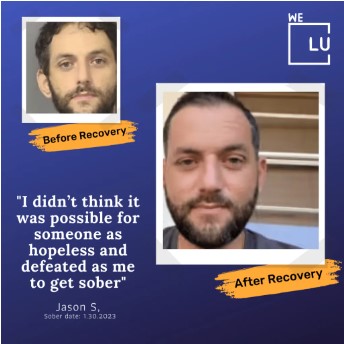
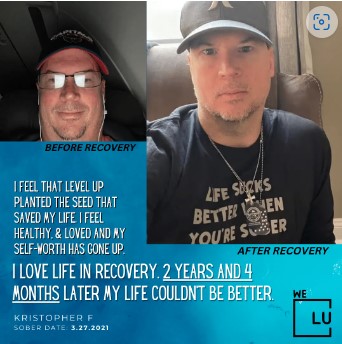
See our authentic success stories. Get inspired. Get the help you deserve.

Start a New Life
Begin with a free call to an addiction & behavioral health treatment advisor. Learn more about our dual-diagnosis programs. The We Level Up treatment center network delivers recovery programs that vary by each treatment facility. Call to learn more.
- Personalized Care
- Caring Accountable Staff
- World-class Amenities
- Licensed & Accredited
- Renowned w/ 100s 5-Star Reviews
We’ll Call You
Sources
“Alcohol Abuse Statistics [2022]: National + State Data.” NCDAS, drugabusestatistics.org/alcohol-abuse-statistics/#california.
Laudet, Alexandre B., et al. “Pathways to Long-Term Recovery: A Preliminary Investigation.” Journal of Psychoactive Drugs, vol. 34, no. 3, Sept. 2002, pp. 305–311, www.ncbi.nlm.nih.gov/pmc/articles/PMC1852519/, https://doi.org/10.1080/02791072.2002.10399968.
Lo, T. Wing, et al. “Substance Abuse and Public Health: A Multilevel Perspective and Multiple Responses.” International Journal of Environmental Research and Public Health, vol. 17, no. 7, 10 Apr. 2020, p. 2610, www.ncbi.nlm.nih.gov/pmc/articles/PMC7177685/.
Search We Level Up for Alcoholic Relapse After Long Term Sobriety Topics & Resources