
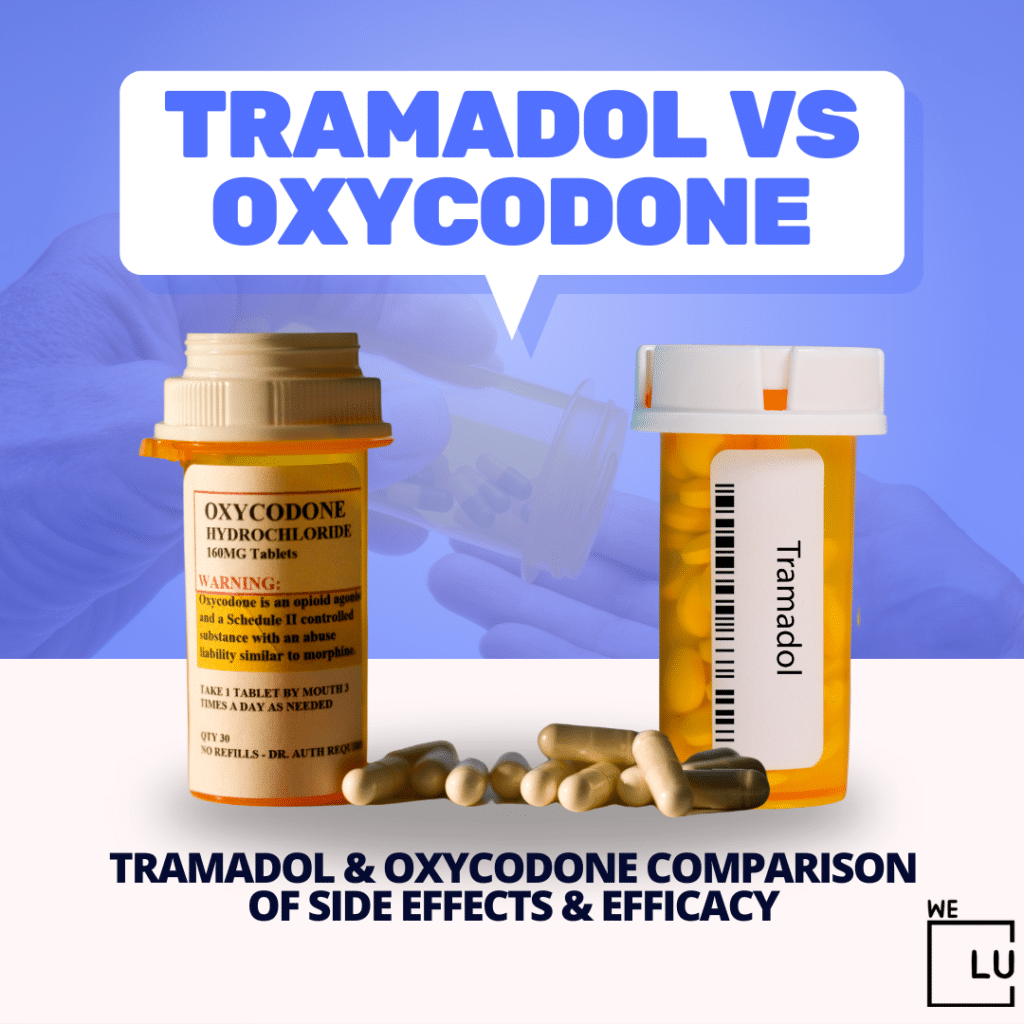
When it comes to pain relief, many people compare tramadol vs oxycodone to figure out which works better and which is safer. Both are prescription opioid medications, but they are not the same. They differ in strength, how they work in the brain, and how likely they are to lead to dependence. Some people start with these medications for real pain and slowly find themselves relying on them more than expected.
At We Level Up CA, we help people learn the facts about opioids and support those who want to break free from misuse. This guide will walk you through everything in simple terms.
Table of Contents
What are The Key Differences of Tramadol and Oxycodone?
Tramadol and oxycodone are both used to treat pain, but they act differently in the body.
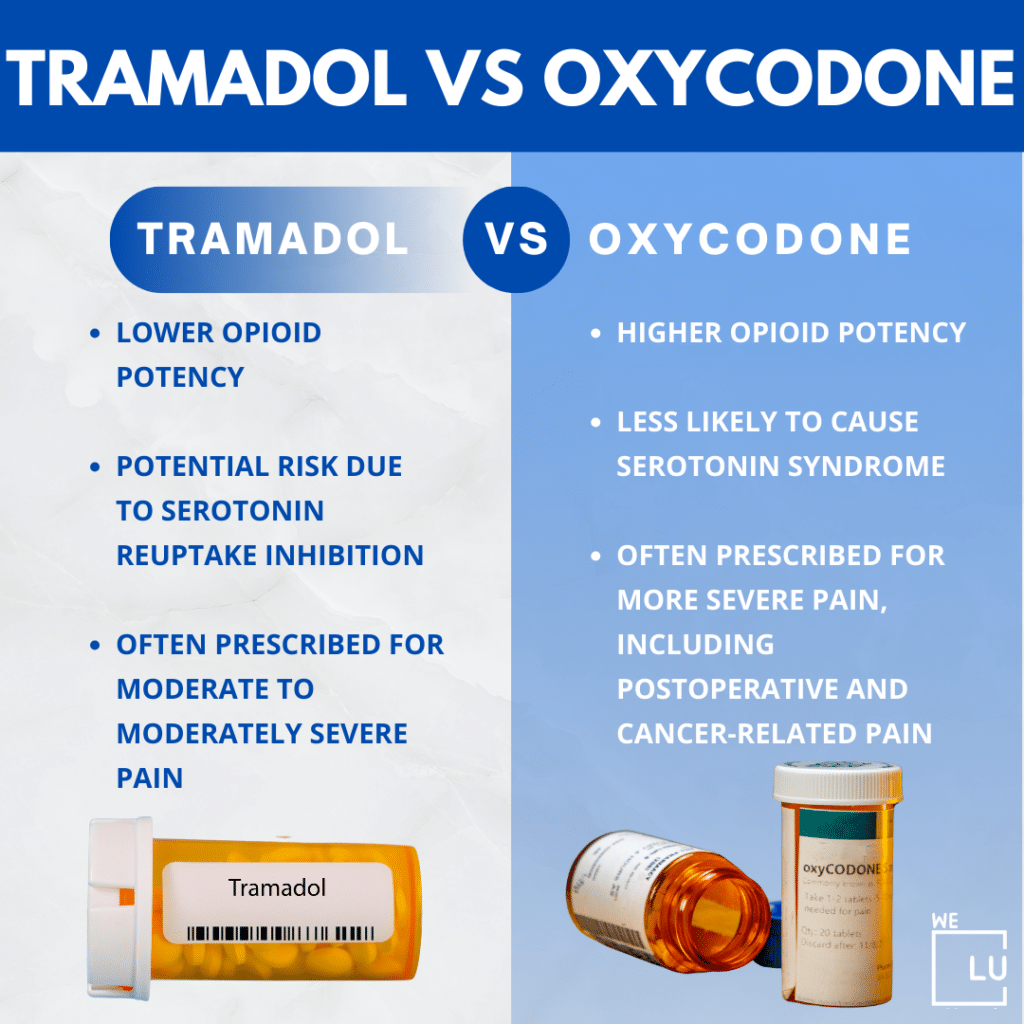
Tramadol is considered a weaker opioid. It works in two ways:
- It lightly activates opioid receptors in the brain
- It also changes serotonin and norepinephrine levels (chemicals tied to mood and pain)
Because of this, tramadol is often used for moderate pain, like after minor surgery or injury.
Oxycodone, on the other hand, is a strong opioid. It directly binds to opioid receptors and blocks pain signals more powerfully. Doctors prescribe it for moderate to severe pain, such as after major surgery or for chronic conditions.
In an opioid painkiller comparison of strength, oxycodone is significantly stronger than tramadol. That also means it carries a higher risk of misuse and overdose.
Understanding tramadol and oxycodone differences helps people use these medications safely or recognize when things are starting to go off track.
Signs You May Need Help Understanding Tramadol vs Oxycodone
Sometimes, what starts as normal use slowly turns into something harder to manage. Here are signs that it may be time to take a closer look:
- Taking more pills than prescribed
- Needing higher doses to feel the same relief
- Feeling anxious or sick when skipping a dose
- Using medication for stress or sleep instead of pain
- Mixing opioids with alcohol or other substances
- Running out of prescriptions early
- Hiding medication use from others
These signs often show up gradually. Many people don’t notice right away.
Why Choose We Level Up CA for Opioid Addiction Treatment
At We Level Up CA, the focus is not on stopping drug use; it’s about helping people feel stable.
Here’s what makes the approach different:
- Medical detox support to manage withdrawal safely
- Experienced clinical team that understands opioid dependency
- Personalized treatment plans based on real needs, not a one-size approach
- Dual-diagnosis care for those dealing with anxiety, depression, or trauma
- Comfortable setting that feels calm, not clinical
- Insurance-friendly options to make treatment accessible
The goal is simple: help people regain control without feeling judged or rushed.
What to Expect During Treatment for Tramadol and Oxycodone Misuse
Treatment is not the same for everyone, but most programs follow a clear structure.
1. Initial Assessment
A full check of medical history, current use, and mental health. This helps build a plan that fits.
2. Detox Phase
The body clears the drug while medical staff manages symptoms like:
- Sweating
- Restlessness
- Nausea
- Anxiety
3. Medication Support (if needed)
Some people benefit from medications that reduce cravings and withdrawal symptoms.
4. Therapy Sessions
- One-on-one counseling
- Group sessions with others going through similar experiences
5. Skill Building
Learning how to handle stress, triggers, and daily routines without relying on substances.
6. Aftercare Planning
Support doesn’t stop after treatment. Plans include ongoing therapy, support groups, and check-ins.
Benefits of Understanding Tramadol vs Oxycodone
- Reduce fear and confusion around opioids
- Make safer decisions about pain treatment
- Avoid accidental misuse or overdose
- Catch early signs of dependency
- Talk more clearly with doctors about options
- Support better recovery choices

FAQs About Tramadol vs Oxycodone
1. Is tramadol weaker than oxycodone?
Yes, tramadol is generally weaker. In an opioid potency comparison chart, tramadol sits much lower than oxycodone. This means oxycodone provides stronger pain relief but also has a higher risk for misuse and overdose. Even though tramadol is milder, it can still lead to dependence over time, especially with long-term use or higher doses.
2. Can tramadol be as addictive as oxycodone?
Both medications can be addictive, but oxycodone has a higher risk due to its strength. That said, tramadol is not risk-free. Because it also affects brain chemicals like serotonin, stopping it suddenly can lead to both opioid withdrawal and mood-related symptoms. When comparing tramadol vs oxycodone, the risk level differs, but both require careful use.
3. What are the main tramadol oxycodone differences?
The biggest differences are strength, how they work, and how fast they act. Tramadol works in two ways and is weaker. Oxycodone is a direct opioid and much stronger. Oxycodone also tends to act faster and produce stronger effects, which is why it carries a higher risk of misuse. These tramadol oxycodone differences matter when choosing pain treatment.
4. What is the typical tramadol oxycodone dosage?
Dosage depends on the person, their pain level, and medical history.
– Tramadol often starts at lower doses like 25–50 mg
– Oxycodone may start around 5–10 mg for short-term pain
Because of the strength difference, even small changes in tramadol oxycodone dosage can have big effects. Doctors adjust doses carefully to avoid side effects and dependency.
5. Which is safer for long-term use?
Neither medication is ideal for long-term use without close medical supervision. Over time, the body builds tolerance, meaning higher doses are needed. This increases risk. When comparing tramadol vs oxycodone, tramadol may seem safer, but it still carries long-term risks, including dependence and withdrawal symptoms.
6. Can you switch from tramadol to oxycodone?
Yes, but only under medical guidance. Switching between opioids is not simple because of differences in strength and how the body reacts. Doctors use specific calculations to avoid overdose or withdrawal. Never switch medications on your own.
7. What are the side effects of tramadol vs oxycodone?
Both share common side effects, such as drowsiness, dizziness, nausea, and constipation.
Oxycodone is more likely to cause stronger sedation and breathing issues. Tramadol can also cause mood-related effects due to its impact on brain chemicals.
8. When should someone look into treatment for opioid use?
When medication use starts to feel hard to control, that’s usually a sign. This can include taking more than prescribed, feeling sick without it, or using it for reasons beyond pain. Treatment works best when started early, before patterns become harder to change.

How to Get Started with Tramadol or Oxycodone Addiction Treatment
- Call to speak with our care specialist
- Verify insurance in a few minutes
- Schedule a private consultation
- Get a personalized treatment plan
At We Level Up CA, everything is handled with privacy and respect.
No pressure. No long wait times. Just clear steps and real support.
Understanding tramadol vs oxycodone is knowing how these drugs affect your body and your life. With the right information and the right support, it’s possible to move forward feeling stronger, clearer, and more in control.